What it is
acne treatments may come up in an aesthetic medicine consultation when the patient's goal fits a professional assessment. This guide does not indicate the treatment: it explains the basic language for asking better questions.
The key is not to reduce acne treatments to an isolated technique. The reason for consultation, medical history, skin or tissue condition, previous experience and the realistic gap between improvement and marketing promise all matter.
What it usually involves
In general terms, it is assessed within skin diagnosis and habits. The clinic should review history, expectations, treatment area, alternatives and reasons to postpone or reject the procedure.
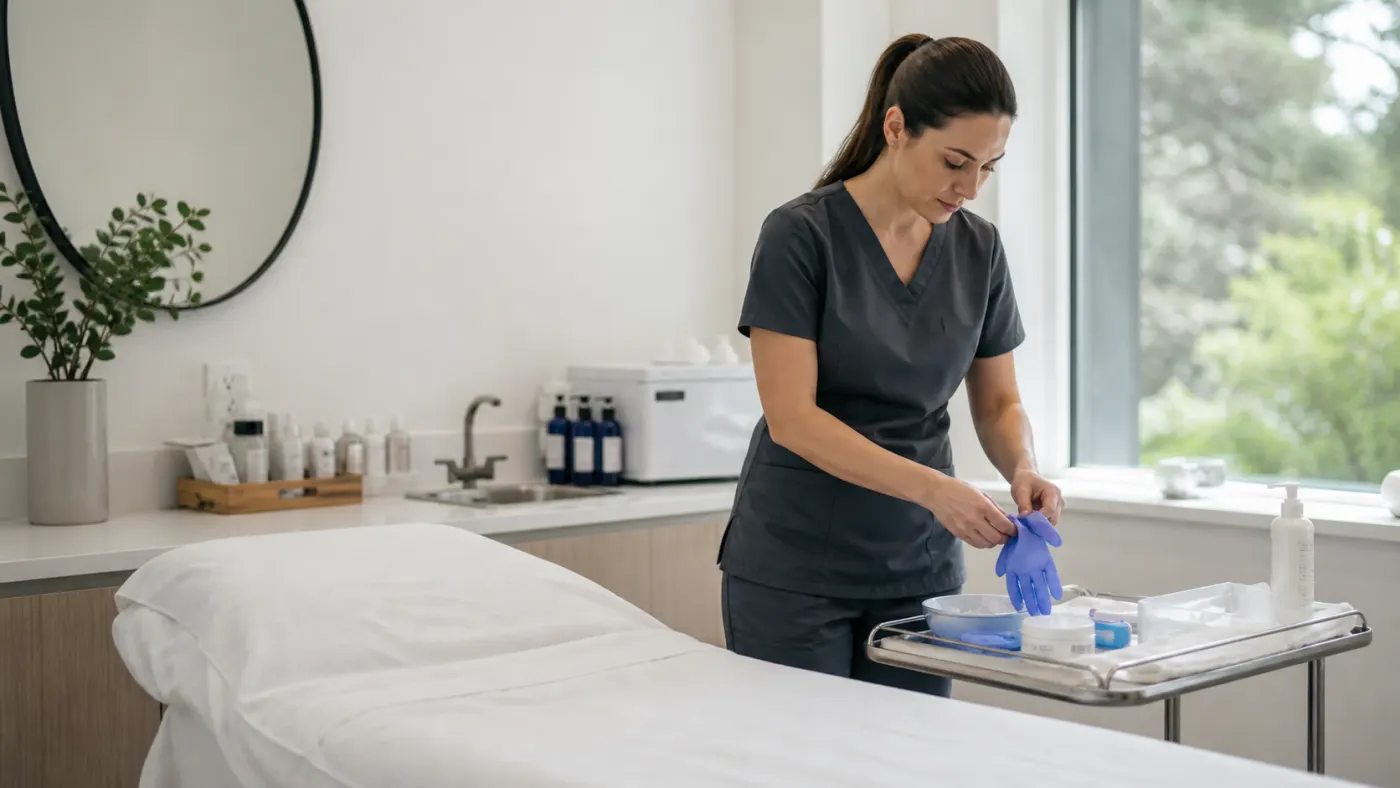
A serious protocol defines area, preparation, parameters or product, estimated duration, sensation during the session and aftercare. It should also explain what will be reviewed before starting and which circumstances would change the plan.
What to ask during consultation
Before deciding, it is reasonable to ask who performs the treatment, their qualification, which product or technology is used, which consent is provided, what aftercare is recommended and how incidents are managed.
A good answer should not stay generic. Ask about common risks, warning signs, recovery time, approximate number of sessions, full cost and who responds if an unexpected reaction appears.
Limits, safety and legality
Legal and safety context matters: expectations depend on cause, evolution and consistency. Patients should not buy injectable products themselves or accept procedures without enough information, traceability and qualified professionals.
Limits are as important as potential benefit. Sometimes the best decision is to wait, treat an underlying condition first, choose a more conservative alternative or avoid the procedure altogether.
Follow-up
Follow-up helps assess evolution, answer questions and record response. An organized clinic documents indication, explanation, consent, session details and reviews.
Follow-up is not paperwork: it helps compare progress, adjust expectations and record batch, device, settings, date, responsible professional and recommendations. That documentation protects patient and clinic.