Wat het is
informed consent in aesthetic medicine helps patients make decisions with better context before accepting an aesthetic medicine treatment. The goal is to organize expectations, history, questions and safety criteria.
De kern is informed consent in aesthetic medicine niet te zien als losse techniek. Reden van consult, voorgeschiedenis, huid- of weefselconditie, eerdere ervaring en realistische verwachting zijn belangrijk.
Waaruit het bestaat
In a well-structured consultation, the clinic should explain reasonable options, alternatives, reasons to wait and situations where treatment should not proceed.
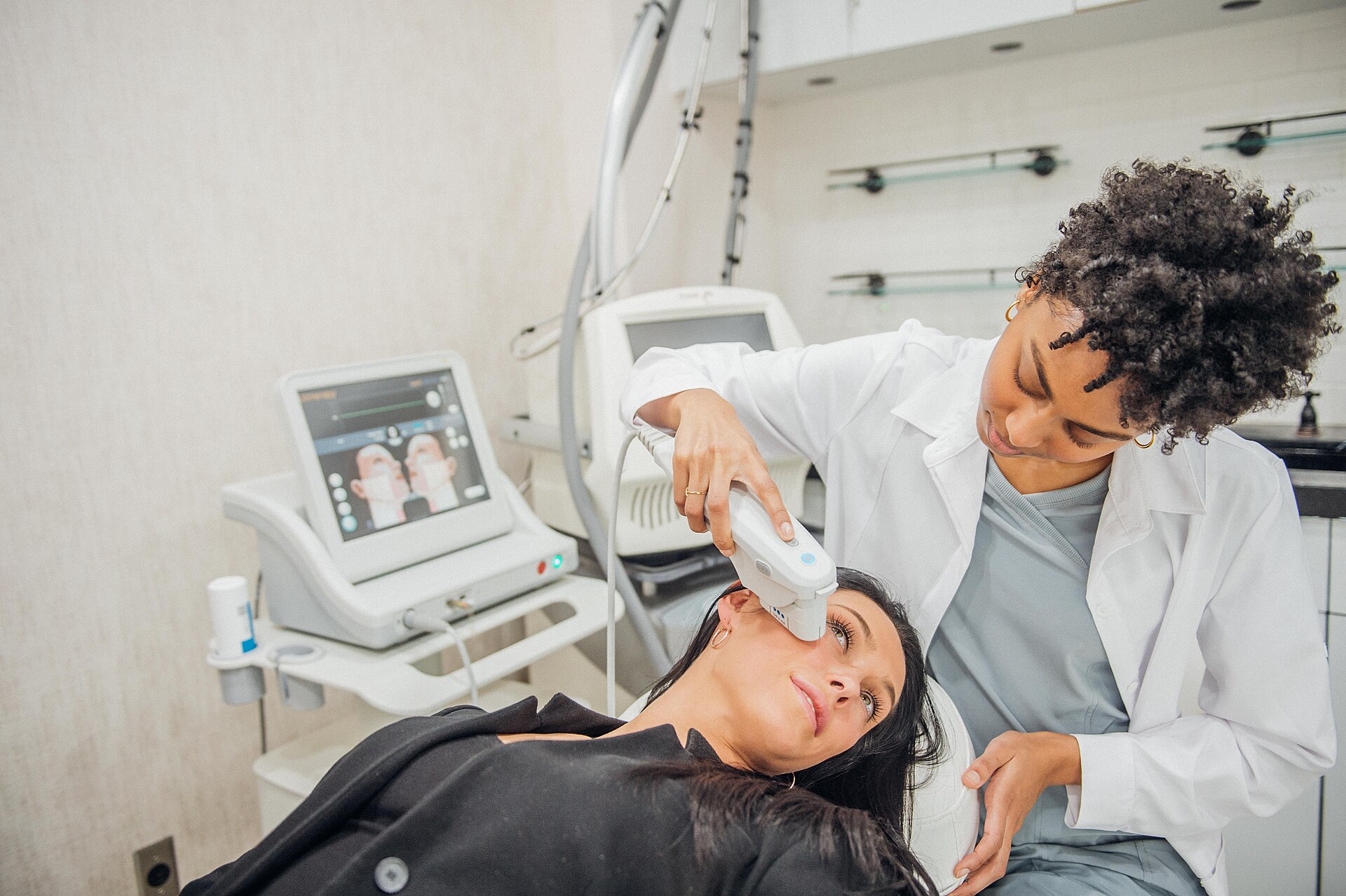
Een serieus protocol benoemt zone, voorbereiding, parameters of product, duur, gevoel tijdens de sessie en nazorg. Het legt ook uit wat vooraf wordt gecontroleerd.
Wat te vragen tijdens consult
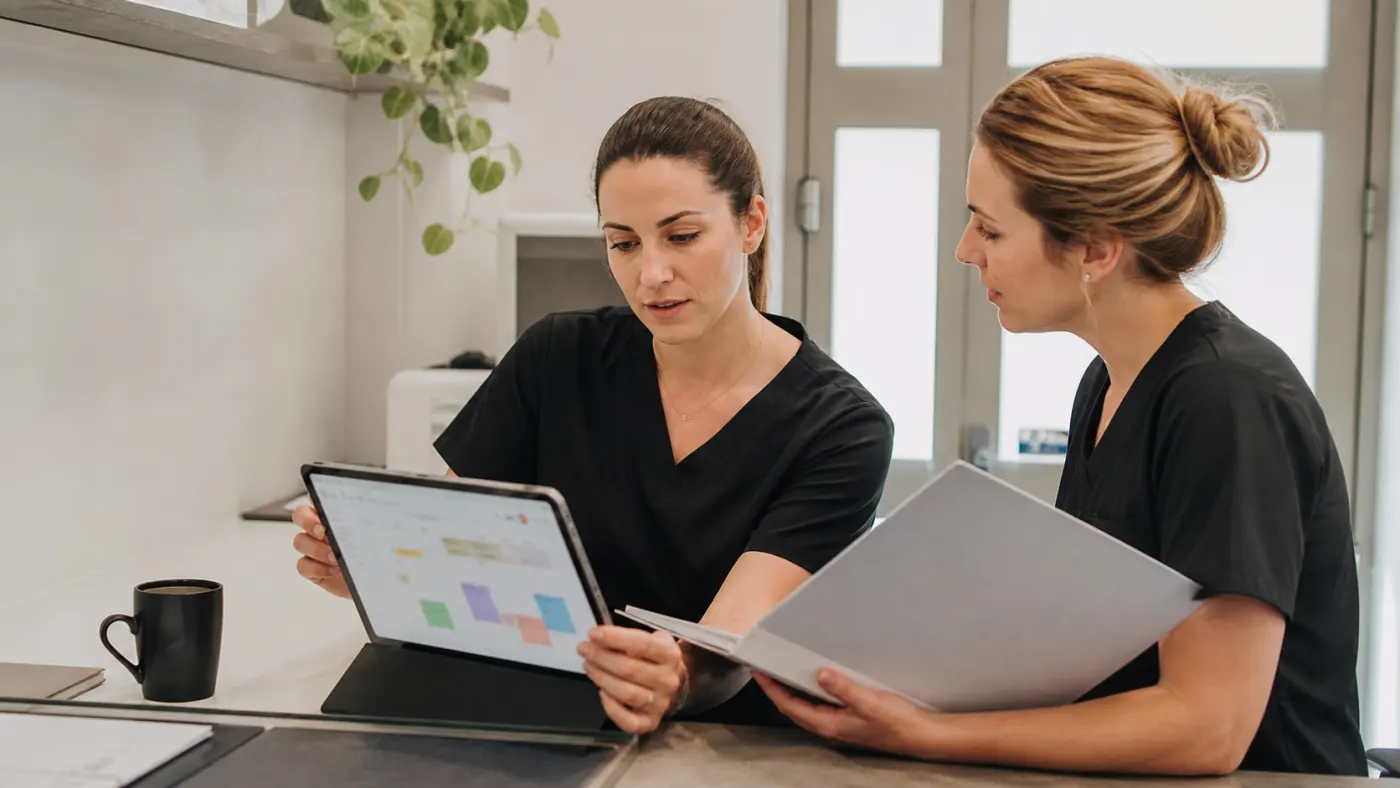
It is useful to ask who assesses the case, what information is documented, how consent is recorded, which warning signs require contact and what follow-up is planned.
Een goed antwoord blijft niet algemeen. Vraag naar veelvoorkomende risico's, alarmsignalen, herstel, geschat aantal sessies, totale kosten en aanspreekpunt bij onverwachte reactie.
Grenzen, veiligheid en recht
Safety and legality depend on separating commercial information from clinical judgement. Patients should avoid pressure, absolute promises and procedures without qualified professionals and traceability.
Grenzen zijn even belangrijk als mogelijk voordeel. Soms is wachten, eerst een basisprobleem behandelen, een voorzichtiger alternatief kiezen of niet behandelen beter.
Nazorg
After the decision, follow-up helps review progress, answer questions and keep a clear record of indication, explanation, consent and reviews.
Opvolging helpt evolutie vergelijken, verwachtingen bijstellen en batch, apparaat, instellingen, datum, verantwoordelijke professional en adviezen vastleggen.